
Why Choose Oran Foundation Repair in Bowling Green, KY — Lasting Protection for Your Home
Your home’s foundation is the starting point for everything that follows — quality repairs now stop small problems from becoming major expenses. This guide shows Bowling Green homeowners how to spot foundation issues, why our local soil and weather matter, and which repair and waterproofing options work best. You’ll find clear, practical checks you can do yourself, straightforward comparisons of steel piers, helical piers and slab jacking, and advice on choosing interior or exterior waterproofing, sump pumps, or French drains. We also cover crawl-space encapsulation, epoxy and carbon-fiber crack repairs, plus realistic homeowner concerns like cost, financing, and warranties. Read on for step-by-step signs, how each repair works, and local guidance to help you prioritize work and request a free professional estimate.
What Are the Key Signs Your Bowling Green Home Needs Foundation Repair?
Foundation trouble usually starts small and gets worse if ignored. Settlement, soil pressure, and moisture-related movement show up as cracks, gaps, and misaligned doors or windows — symptoms that weaken structural load paths and can lead to water or mold problems. Spotting trouble early protects finishes and saves money. Below are the highest-priority signs Bowling Green homeowners should watch for; treat these as your quick triage checklist.
Common warning signs of foundation damage include:
- Horizontal or stair-step cracks in foundation walls that grow beyond hairline size over time.
- Drywall cracks near corners, floors that feel uneven or slope, and doors or windows that stick or won’t latch properly.
- Exterior gaps at door frames, separated mortar in stair-step patterns, or walls that lean or bow inward.
- Consistent basement dampness, wet spots on the floor, or recurring mold where structural distortions are present.
Any of these signs warrant a professional inspection and possible stabilization. The next section explains how to tell cosmetic cracks from structural failures so you can prioritize urgent fixes.
How to Identify Foundation Cracks, Uneven Floors, and Bowing Walls
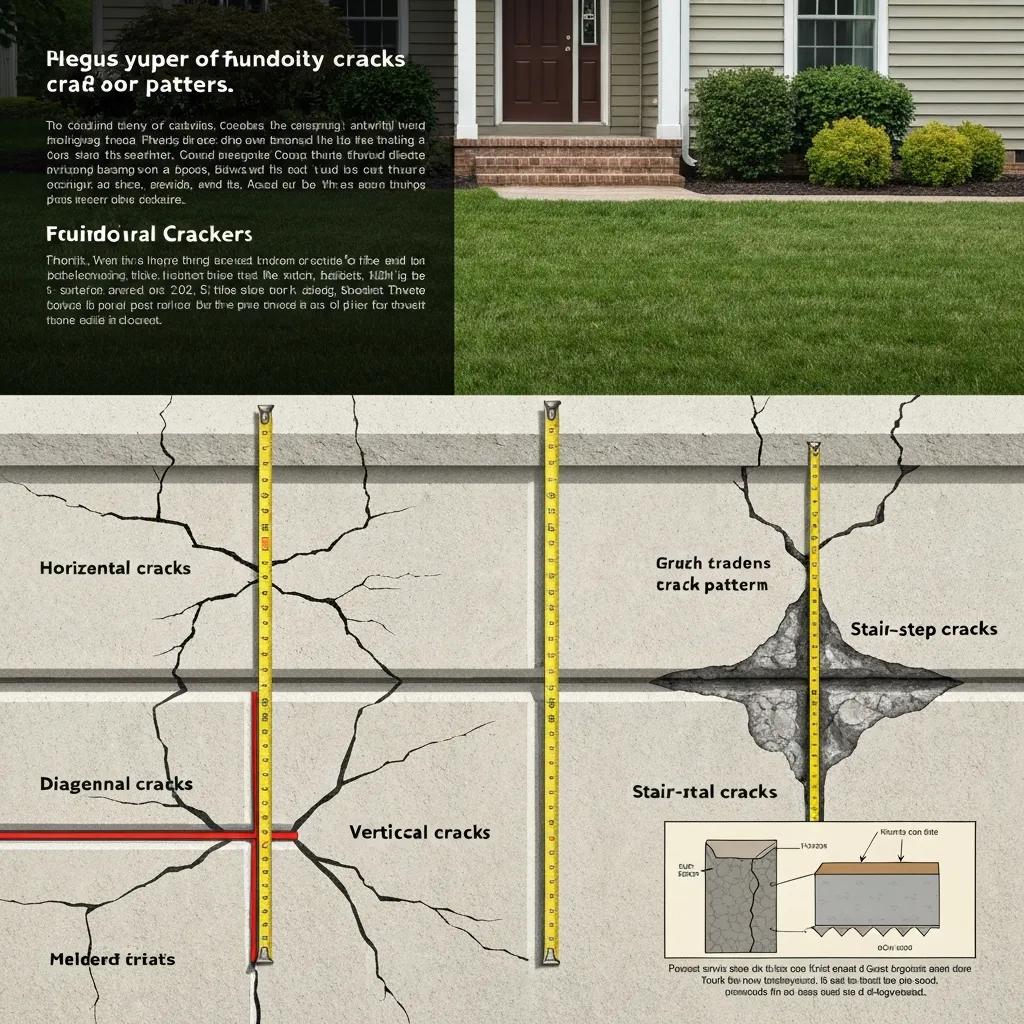
A simple home inspection can separate harmless, hairline shrinkage from cracks that show movement. Pay attention to crack width, direction, and whether it changes over time. Shrinkage cracks under about 1/16″ that don’t spread are often cosmetic; horizontal or stair-step cracks and any that widen point to settlement or lateral pressure. Uneven floors and sticking doors usually mean differential settlement beneath footings — quick checks like a 4-foot level or marking and photographing cracks monthly help you track change. If you see horizontal cracks, bulging walls, or sinking areas, arrange a professional inspection to assess urgency and avoid water or mold complications.
What Local Soil and Weather Factors Cause Foundation Damage in Bowling Green?
Bowling Green’s soils and seasonal moisture swings are major drivers of foundation movement. Clay-rich soils common here expand when wet and shrink when dry, creating cycles of heave and settlement under footings that stress foundations and produce cracks. Heavy rains or poor drainage concentrate water near the foundation, increasing lateral pressure and causing soil fines to wash away or create voids. Knowing these local patterns helps homeowners take targeted steps — better grading, redirecting downspouts, and choosing repairs suited for clay soils — to reduce repeat movement and extend repair life.
How Does Oran Foundation Repair Provide Expert Foundation Repair in Bowling Green KY?
Good foundation repair starts with a structured inspection, accurate diagnosis, and choosing the least-invasive, longest-lasting fix. We evaluate whether issues come from settlement, drainage, soil type, or overload, then recommend solutions — piers, slab lifting, or drainage fixes — based on load, access, and durability. Comparing methods helps you pick the right option for your home; the table below summarizes common approaches and the key factors that guide selection for Bowling Green properties.
Compare common foundation repair methods:
Choosing the right method means balancing site conditions, expected lifespan, and budget. Below we describe how each option works in practice and what to expect during installation.
At Oran Foundation Repair Bowling Green KY we apply these methods with local know-how: we assess soil, load paths, and moisture control to decide between steel piers, helical piers, or slab jacking. Our planning considers site access, keeps landscaping disruption to a minimum, and sequences waterproofing or drainage work when needed so the repair addresses root causes. During inspection we outline timelines, maintenance needs, and realistic performance expectations so homeowners understand trade-offs. Ready to proceed? We provide a free estimate and on-site inspection to map recommended solutions and next steps.
What Foundation Repair Methods Do We Use: Steel Piers, Helical Piers, and Slab Jacking?
Steel piers move building loads down to stable bearing strata using engineered brackets and column sections — a strong choice for heavy loads and long-term stabilization. Helical piers are screwed into competent soils with torque to reach bearing capacity; they work well in tighter spaces and provide immediate load support. Slab jacking lifts settled concrete by injecting grout or polymer beneath the slab to fill voids and restore level surfaces — an economical fix for localized settlement but not a substitute when footings need deep support. Each option has trade-offs in cost, disruption, and longevity; knowing how they work helps you decide based on your site and budget.
Helical piers are a proven technology that can offer efficiency advantages over older foundation methods.
Helical Piers: Efficient Foundation Solutions for Modern Construction
ABSTRACT: Helical piers are an established option that can shorten installation time and reduce labor compared with some traditional foundation techniques. This study examines why conventional foundation practices persist despite potential efficiency gains from helical systems. Research in Guilford County, North Carolina, found low local awareness of helical piers among homeowners and builders. Interviews and surveys with residents and building professionals helped identify barriers to adoption and inform strategies for introducing helical piers in that market.
How Does Our 20+ Years of Experience and BBB+ Accreditation Benefit You?
More than 20 years in the field, BBB+ accreditation, and Kentucky licensing and insurance translate into real benefits: consistent workmanship, warranty-backed solutions, and compliance with safety rules. Experienced crews deliver clearer diagnoses, tighter scope estimates, and fewer surprise change orders, which reduces unexpected costs. Accreditation shows we handle complaints responsibly and follow service standards — extra reassurance during project planning and aftercare. These guarantees help protect your investment; next we explain how waterproofing works with structural repairs to protect both foundation and interior spaces.
Why Is Basement Waterproofing Essential for Bowling Green Homes?
Waterproofing keeps moisture out before it damages structure or finishes. By blocking water at the exterior, intercepting seepage inside, or combining both, waterproofing manages hydrostatic pressure and directs water away from your home. That reduces mold risk, slows wood rot, and prevents corrosion of metal components — all of which preserve structural integrity over time. The following sections compare interior and exterior approaches and explain how sump pumps and French drains fit into a complete protection plan.
Interior and exterior waterproofing systems compared:
This comparison helps you weigh the invasiveness of exterior excavation against the practicality of interior drainage for many retrofits; the next section covers how these systems prevent mold and what maintenance they need.
How Do Interior and Exterior Waterproofing Systems Prevent Mold and Water Damage?
Interior drainage captures seepage at joints and cracks and routes it to a sump basin where a pump removes it from the property, lowering basement humidity and preventing standing water. Exterior waterproofing applies membranes or coatings to the outside of walls and pairs them with exterior drains to stop groundwater before it reaches the foundation, reducing hydrostatic pressure and long-term saturation. Both approaches cut the moisture sources mold needs by lowering relative humidity and removing persistent wet spots. Proper design pairs enough drainage capacity with a reliable sump pump and a maintenance plan — regular sump checks, clear drains, and occasional seal inspections keep systems working and indoor air quality stable.
What Role Do Sump Pumps and French Drains Play in Protecting Your Basement?
Sump pumps are the active component of interior drainage: they collect water in a sump basin and pump it to a safe discharge point away from the home. Backup battery or secondary pumps increase reliability during storms or power outages. French drains are perforated pipes set in gravel that intercept subsurface water and convey it to a sump or daylight discharge, lowering the water table and easing wall pressure. Together they reduce cycles of saturation that stress foundation walls and help prevent episodic flooding of finished basements. Homeowners should perform seasonal checks, test backup systems, and ensure discharge routes stay clear for dependable protection.
What Are the Benefits of Crawl Space Encapsulation in Bowling Green KY?
Encapsulating a crawl space seals out ground moisture and outside air by installing a continuous vapor barrier, adding insulation, and controlling humidity with a dehumidifier. Together these measures improve structural resilience and indoor air quality. A sealed vapor barrier reduces moisture moving into joist cavities where rot or mold can damage floor framing, while a properly sized dehumidifier keeps relative humidity at levels that discourage biological growth. Encapsulation can also lower HVAC load by reducing drafts and humidity-driven cycling, yielding energy savings and steadier floor temperatures. Below we compare the main components and explain performance and upkeep expectations for Bowling Green homes.
Crawl space components comparison:
These components work together to create a dry, thermally stable crawl space; the following section explains how that improves indoor air quality and energy use.
How Do Vapor Barriers and Dehumidifiers Improve Indoor Air Quality and Energy Efficiency?
A continuous vapor barrier seals exposed soil and prevents moist ground air from entering the crawl space and moving into the living area, cutting the flow of mold spores and soil-borne VOCs. A correctly sized dehumidifier holds relative humidity below levels that encourage mold (generally under 50%), lowering allergen levels and protecting wood framing from rot. Paired with insulation, encapsulation reduces heat loss and stops humidity-driven HVAC cycling, producing lower energy use and fewer comfort complaints. Simple maintenance — inspect seams, change filters, and keep condensate drains clear — preserves performance and indoor air quality over time.
Can Crawl Space Encapsulation Help Reduce Allergies and Structural Issues?
Yes. Encapsulation cuts airborne mold and dampness that often worsen allergies and respiratory symptoms, creating a healthier environment for sensitive household members. Structurally, it prevents chronic moisture exposure that leads to wood decay and pest problems, protecting floor joists and subfloor materials. Proven humidity control and sealed barriers lead to fewer moisture-related complaints and maintenance calls in encapsulated homes. If you notice persistent allergies or a musty smell, consider encapsulation as a long-term fix that also boosts energy efficiency and structural longevity.
How Do We Repair Foundation Cracks to Restore Structural Integrity?
Crack repair starts by classifying the crack and deciding whether it affects load capacity or just finishes. Epoxy injection can structurally bond many vertical and diagonal cracks by restoring tensile strength, while carbon-fiber reinforcement stabilizes bowed or flexing walls with high-strength strips that limit movement. After repair, expect monitoring for recurrence during the first year, ongoing drainage maintenance to avoid repeat hydrostatic loads, and addressing any nearby soil issues that caused the crack. The next sections describe epoxy and carbon-fiber methods and give homeowner guidance for triaging different crack patterns.
What Are Epoxy Injection and Carbon Fiber Reinforcement Techniques?
Epoxy injection involves cleaning and preparing cracks, then injecting structural-grade epoxy under pressure so the resin bonds and restores concrete continuity — effective for many active or dormant cracks where strength must be returned. Carbon-fiber reinforcement uses high-strength fiber strips adhered to walls to resist tensile forces and limit flexing; it’s particularly useful for walls showing inward movement or significant bowing that simple sealing can’t fix. Both methods are less invasive than full wall replacement and, when combined with drainage or lateral support fixes, provide durable repairs. Choice depends on crack orientation, wall movement, and whether you need structural restoration or long-term stabilization.
Which Types of Foundation Cracks Require Professional Repair?
Some crack patterns need prompt professional attention: horizontal cracks and pronounced stair-step cracks in masonry often indicate dangerous lateral pressure or differential settlement and should be evaluated quickly. Diagonal cracks near load-bearing corners or cracks that widen over weeks or months are also red flags for structural movement. Stable, hairline vertical cracks can be monitored, but document size and progression with photos and measurements. When unsure, schedule a free inspection to clarify risk and repair urgency before damage escalates.
What Makes Oran Foundation Repair the Best Choice for Foundation Services in Bowling Green?
Oran Foundation Repair Bowling Green KY brings technical options, local experience, warranty-backed work, and homeowner-friendly service terms to every job. Our core services match local needs: foundation repair with steel and helical piers and slab jacking; basement waterproofing with interior or exterior systems and sump pumps; crawl-space encapsulation with vapor barriers and dehumidifiers; plus targeted crack repairs like epoxy injection and carbon-fiber reinforcement. We hold KY licenses and insurance, maintain BBB+ accreditation, offer free estimates, flexible payment plans, and warrantied repairs — with 24/7 emergency support for urgent events. Below we explain our estimate workflow and how emergency response and payment options function in practice.
How our free estimates, payment plans, and warranties work:
- Schedule a Free Inspection: A trained technician documents foundation condition, soil and drainage issues, and produces a clear repair plan.
- Receive a Customized Estimate: We outline recommended methods (piers, slab jacking, waterproofing), timelines, and expected results so you can compare options.
- Flexible Payment & Warranty Options: Financing and payment arrangements are discussed during the estimate, and warranty details are explained so you understand coverage and maintenance expectations.
How Do Our Free Estimates, Flexible Payment Plans, and Warrantied Solutions Work?
Our free estimate includes a visual and instrument-assisted inspection to record cracks, movement, and moisture pathways, followed by a recommended scope that balances cost, invasiveness, and longevity. During the consult we review financing and payment plans so families can choose a practical path without delaying essential repairs. We explain warranty terms for workmanship and products — what’s covered, for how long, and any maintenance required — so you know what to expect before work begins and how to keep solutions performing long term.
What Do Our Customers Say About Our Reliable 24/7 Emergency Support?
Oran Foundation Repair Bowling Green KY offers around-the-clock emergency response for urgent structural or flooding incidents so homeowners receive fast mitigation while a permanent plan is prepared. Emergency work can include temporary shoring, water extraction, sump pump replacement, or short-term stabilization to prevent collapse or severe leaks. We prioritize clear communication, documented next steps, and homeowner coordination to restore safety and reduce stress during high-impact events. For routine scheduling or to request a free inspection, call or email to arrange an on-site evaluation and estimate.
- Company: Oran Foundation Repair Bowling Green KY
- Address: 1719 Ashley Cir, Suite 111, Bowling Green, KY 42104
- Email: fr.bowlinggreenky@gmail.com
- Phone: (364) 888-9282
- Next Steps to Protect Your Home: If you see any of the structural signs above or have recurring basement moisture, book a free inspection to determine urgency and options.
- Maintain Drainage: Keep grading, gutters, and downspouts working properly to move water away from foundations and extend repair life.
- Document & Monitor: Photograph cracks monthly and note changes to help diagnose progression and time interventions correctly.
Frequently Asked Questions
Conclusion
Choosing Oran Foundation Repair means getting local expertise, durable repairs, and service you can rely on. We address structural issues, moisture control, and energy concerns with solutions tailored for Bowling Green’s conditions. Timely inspections and repairs help you avoid costly damage and protect your home’s value. Contact us today to schedule your free inspection and take the first step toward a safer, more secure home.